Why I Still Write Things Down
How a simple Google Sheet changed how I think about money and why writing things down still matters in 2025.

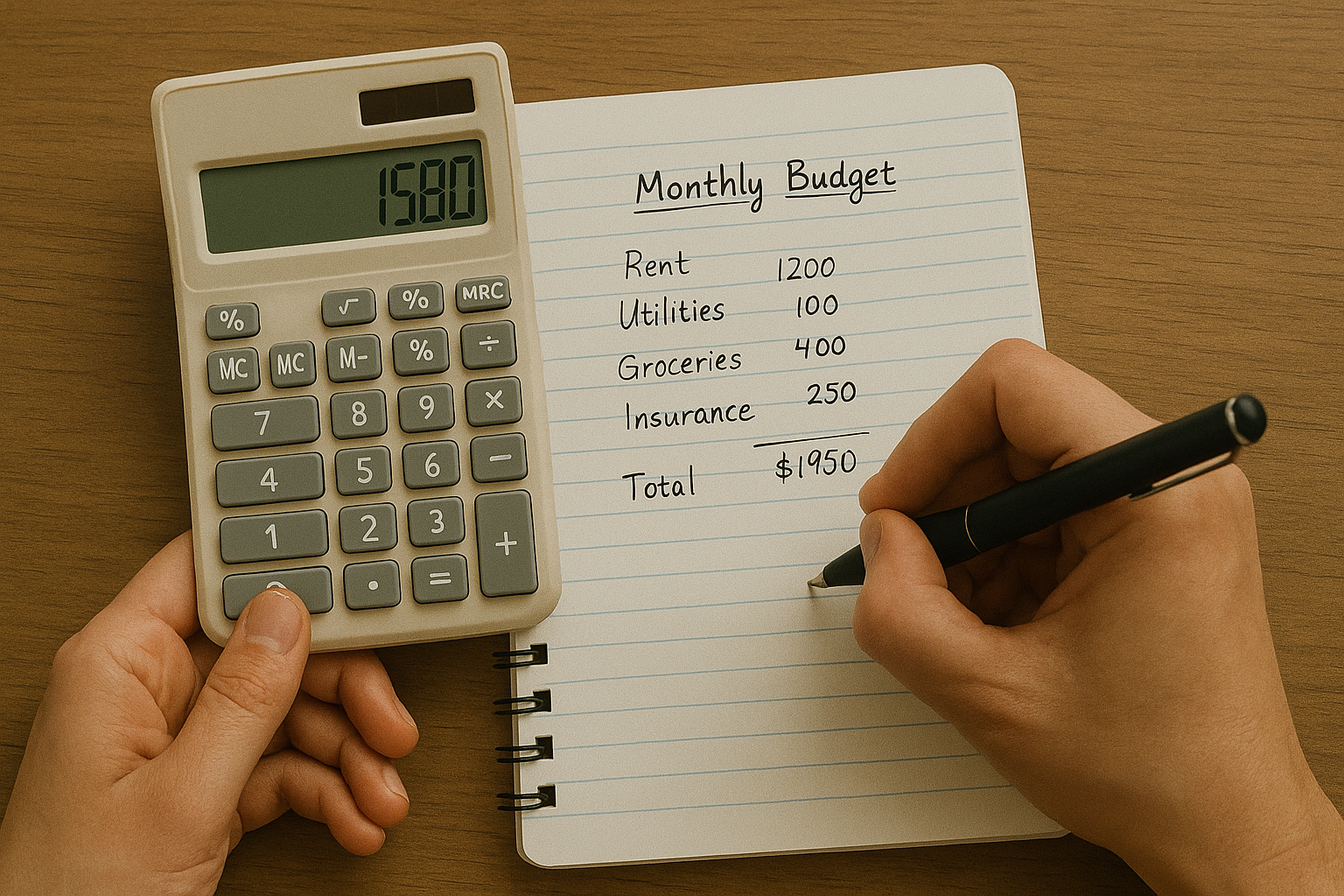
The Promise of Finance Apps
Most people lose track of their money not because they're careless, but because they never see it leave. Every few months, a new app promises to fix this. Sync your bank accounts, categorize spending, get colorful charts.
For a while, I thought full automation was the end goal. I tried a few apps. Some didn't support all my banks, others broke, and most made me feel disconnected from my money. I've written more about this in why not everything should be automated. Then I remembered something simple.
A Spreadsheet From My Grandpa
Back in 2020, my grandpa had this old Excel spreadsheet where he tracked every expense by hand. Nothing fancy. Rows of numbers and short descriptions. I moved it to Google Sheets so it would sync to Drive and started using it myself. At first, it felt outdated. Why type things manually when apps can do it for you? But a few weeks in, I noticed something: I felt differently about my spending.
When you write things down, you can't ignore them. You see every transaction, every decision and you stop scrolling past your money and start noticing it again.
Tracking as a Shared Habit
Now my wife and I do this together. Once a week we sit down, go through the transactions, and write them down one by one in a simple Google Sheet. Sometimes I type, sometimes she does. While we do it, we talk about the week and what we spent too much on, what felt worth it, what we could do differently next month.
It takes 10 to 20 minutes per week, but that conversation alone is worth it. It's not tracking. It's reflecting. At the end of each year, we take a longer look together: what changed, how much we saved, where we need to adjust.
Why Writing It Down Works
It's a small habit with a compounding effect. You become more aware of your choices, and over time, awareness quietly shapes how you spend. You don't need hard budgets or to punish yourself for every coffee. Writing it down is enough to keep you conscious of your money each week, month, and year. If you're wondering how to build this into a routine, read about designing a money habit that sticks.
The nice thing about a spreadsheet is the flexibility. You can shape it for your life: solo, as a couple, or for a household. Add notes, play with formulas, build your own charts to see trends. There's something satisfying about building a small system that reflects how you live.
That's why I still write it down. Not to be old-school. Not to avoid technology. To stay connected to my money and to the decisions behind it. When you know exactly where your money goes, you feel in control. Not because an app tells you so. Because you wrote it down yourself.
Your grandpa's spreadsheet, upgraded
Write It Down is a Google Sheets tracker built for writing things down by hand. One-time purchase, no subscriptions.
Start Tracking