How to Stop Living Paycheck to Paycheck (Even on a Tight Budget)
Nearly 60% of Americans live paycheck to paycheck — not because they earn too little, but because spending quietly expands to fill whatever comes in. Here's how to break the cycle.

Why the Cycle Is So Hard to Break
If you've ever reached the end of the month and wondered where your paycheck went, you're not alone. Nearly 60% of Americans live paycheck to paycheck — not because they earn too little, but because spending quietly expands to fill whatever comes in. The problem isn't income. It's visibility.
Most advice tells you to "cut lattes" or "stop eating out." That's not wrong, but it misses the real issue: you can't change what you can't see. Before you cut anything, you need to know exactly where every dollar is going. Not approximately — exactly.
Step 1: Get a True Picture of Your Spending
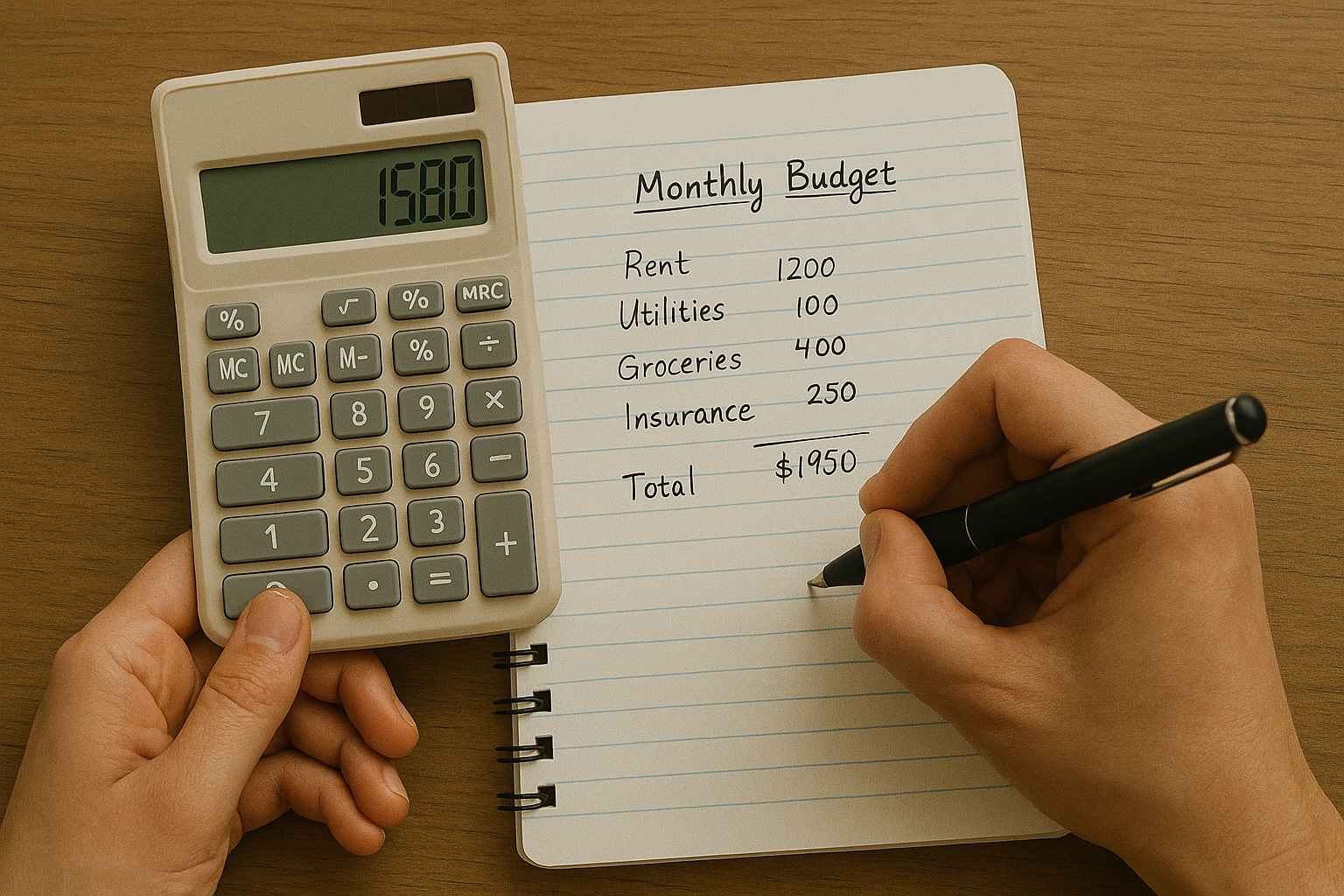
Pull up your last two bank statements and go through them line by line. Write down every category: rent, groceries, subscriptions, dining, transport, entertainment. Don't estimate — look at actual numbers. Most people are surprised to find $200–$400 in recurring charges they forgot they had.
This single exercise — writing it all down — is often more powerful than any budgeting app. There's something about seeing the number that forces honesty. You can't scroll past a row in a spreadsheet the way you scroll past a notification.
Step 2: Find Your Three Leaks
Most paycheck-to-paycheck situations come down to three or four categories where spending is significantly higher than it should be. For most people, these are: food (restaurants + delivery), subscriptions (you're probably paying for 4–6 things you don't use), and impulse purchases that each felt small in the moment.
Don't try to fix everything at once. Pick the two or three biggest leaks and address only those first. A $120 monthly restaurant habit cut to $60 adds up to $720 over a year — real money that can start building a buffer.
Step 3: Build a One-Month Buffer
The paycheck-to-paycheck trap is partly psychological: when your account hits near-zero before the next paycheck, the stress makes spending worse. Your first financial goal isn't saving for retirement — it's building a one-month buffer. This single change removes the anxiety that drives reactive spending.
To build it: save any windfall (tax refund, bonus, gift) entirely, and temporarily redirect the money you freed up from leaks into this buffer account. Treat it as untouchable except for genuine emergencies. Once you have one month of expenses saved, the cycle starts to break on its own.
Step 4: Track Every Week — Not Every Day
Daily tracking burns people out. Weekly tracking is sustainable. Set aside 10–15 minutes on Sunday evening to go through the week's transactions and write them down. This habit keeps you connected to your money without making it a second job. If you're tracking with a partner, this becomes a weekly conversation about money — something most couples never have.
The goal isn't perfection. You don't need to optimize every dollar. You need enough awareness to catch drift before it becomes a crisis. One weekly review accomplishes exactly that. Read more about building this habit in how to design a money habit you won't abandon.
The Honest Truth
Breaking the paycheck-to-paycheck cycle doesn't require a big income increase. It requires awareness first, then small consistent changes. Most people who escape it do so by finding $200–$400 in existing spending they didn't realize was happening — not by earning thousands more.
Write it down. All of it. That one step will show you more than any financial advisor or app dashboard ever could.
See every dollar, break the cycle
Write It Down is a Google Sheets tracker built for weekly reviews. One-time purchase, no subscriptions.
Start Tracking Free